Read
← Back to IdeasNo Single Playbook to Win: 5 Takeaways from the Ads at Super Bowl LX

Super Bowl LX delivered everything we expect from football's biggest night: a statement game (Seattle's defense absolutely suffocating the Patriots), a halftime show that made headlines and transcended borders (Bad Bunny celebrating all of America while officiating an actual wedding and turning the stadium into a gigantic dance party). And, of course, what we're here for: the ads.
The Super Bowl remains the single biggest advertising stage in America — the singular place where brands spend millions just for the opportunity to address an audience that has genuine interest in what they’ll say.
Which is why we're fascinated by this year's output. While the Super Bowl itself endures as one of our last true mass-audience moments, this year's advertising reflected just how fractured everything else has become. From the battle between A-list celebrities and digital creators, to brands choosing between viral moments and long-term world-building, Super Bowl LX showcased an industry navigating a fundamentally changed technological and cultural landscape.
What worked? What fell flat? And what do these ads tell us about where the industry is headed? Here are Ogilvy's 5 key takeaways from Super Bowl LX:
Theme 1: The Fame Fragmentation
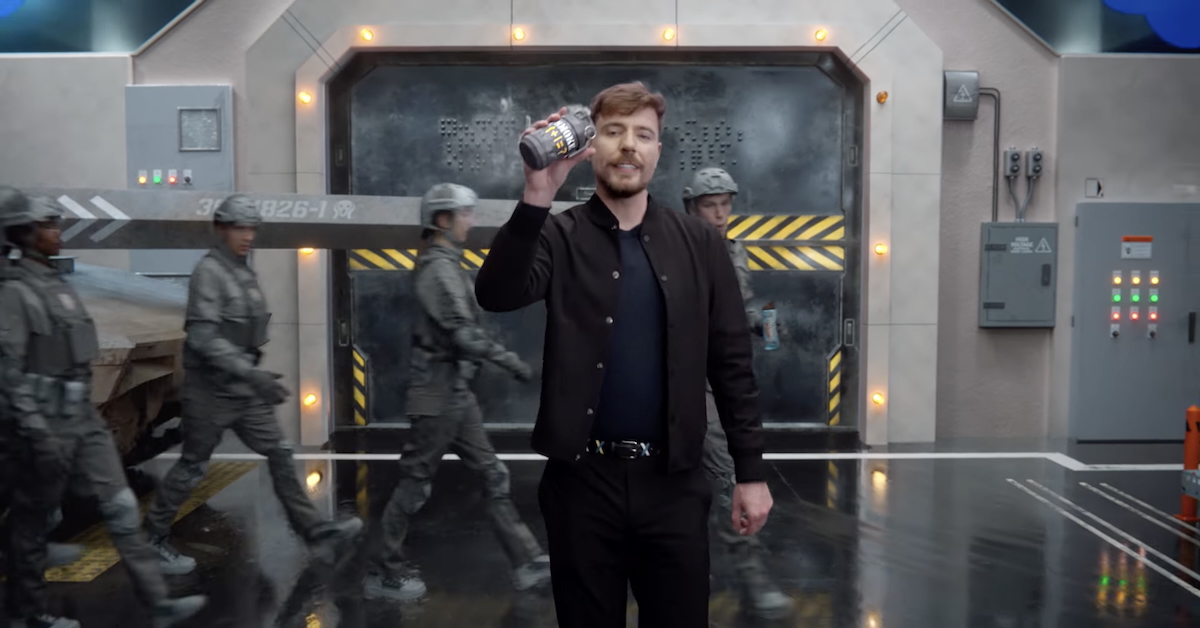
This year's Super Bowl reflected a fragmented definition of fame, signaling the end of a monoculture. Brands strategically navigated this new landscape, weighing the broad reach of traditional celebrities against the deeply engaged communities of digital-native creators (like MrBeast or trending podcast hosts), all while contending with pervasive 'second-screen' audience engagement.
Brands that leveraged digitally-native creators:
- Salesforce (Mr. Beast), Liquid I.V. (EJAE), Kinder Bueno (Paige DeSorbo): These brands tapped into social-first creators with massive, dedicated online followings, aiming to resonate directly with audiences where their digital lives predominantly occur.
Brands that tapped into traditional celeb power:
- GrubHub (George Clooney), Instacart (Ben Stiller), Uber Eats (Matthew McConaughey): Brands continued to deploy A-list celebrities in high-production broadcast spots, relying on established recognition and broad appeal to cut through. The strategic question here remains whether these campaigns effectively extended engagement onto the crucial "second screens" during the live event.
Theme 2: World Building

The Super Bowl served as a crossroads for brands, forcing a choice between leveraging the moment to build an enduring brand world with recurring elements or opting for a high-impact, one-time creative win. This distinction highlights varying objectives, from fostering long-term audience recall and engagement to generating immediate buzz and conversation.
Brands that build a world over the years at the Super Bowl:
- Budweiser: Continued its tradition of emotional storytelling, often featuring Clydesdales, aiming to reinforce a consistent brand identity and a sense of heritage that extends beyond the single broadcast.
Brands that used their :30 seconds to spark a shorter term narrative:
- Coinbase: A minimalist, disruptive ad designed for immediate shock value and digital engagement, encouraging viewers to interact directly within that singular moment.
Not-so-honorable mention:
- Svedka: On the largest stage in advertising, world building cannot be a haphazard effort. While Svedka’s spot was a callback to the brand’s old advertising, the reference was missed by a large population, who took to social to call it “AI slop.”
Theme 3: Pushing the Boundaries of Funny

In the high-stakes Super Bowl environment, several brands demonstrated that a willingness to embrace borderline-inappropriate humor can effectively cut through the noise and resonate with a broad audience. This approach suggests a shift towards brands not taking themselves too seriously, connecting with viewers through unexpected and bold comedic relief. This year proved that the world still loves a little inappropriate humor.
Brands that embraced absurd or inappropriate humor:
- Liquid I.V.: Featured singing toilets encouraging viewers to "check their pee," utilizing a direct and slightly gross-out comedic approach to convey a health message in a memorable, attention-grabbing way.
- Manscaped: Aligned with their brand identity, their ad employed their signature irreverent and double-entendre-laden humor related to male grooming, solidifying their unique, edgy brand voice.
- Novartis: Exemplified how even topics that might typically be approached with seriousness (potentially related to health, charity, or even football itself via double entendre) could be made more approachable and engaging through lighthearted or suggestive humor.
- Raisin Bran: Utilized the iconic and often self-aware persona of William Shatner to bring an unexpected, perhaps meta or absurd, comedic twist to a traditionally wholesome brand, demonstrating that even established categories can benefit from not taking themselves entirely seriously.
Theme 4: Drumroll Please

Many brands leveraged the Super Bowl's unparalleled reach to deliver significant business announcements or unveil major business shifts, utilizing the massive viewership not just for brand awareness, but to communicate critical new initiatives, product launches, or policy changes in hopes of reshaping perception or sparking conversation. Creative ideation doesn’t need to stop at the story boards… it can be brought into the boardroom, too.
Brands that announced major business shifts:
- Grubhub: Used its debut Super Bowl presence to announce a significant policy change, eliminating delivery and service fees on orders over $50, signaling a major competitive repositioning directly addressing a key consumer friction point.
- Cadillac: Leveraged the platform to announce its entry into Formula-1 racing and share the car with the US market. This was a strategic move designed to help achieve its goal of becoming perceived as America’s F1 team.
- Claude (Anthropic): Won the Super Clio with Mother's spot declaring "Ads are coming to AI. But not to Claude," a claim that positioned competitors as the monetization threat. When OpenAI's CEO responded on X to defend ChatGPT's ad-free model, Claude achieved something rare: forcing a market leader to publicly clarify their stance, turning a :60 spot into an ongoing category conversation that extended reach well beyond the Big Game.
Theme 5: The Brand Manifesto

In contrast to spectacle or humor, some brands used their Super Bowl airtime to deliver powerful, direct statements about their core beliefs, values, or strategic worldview. These “brand manifesto” ads largely ditched complex storylines or metaphors in favor of clear, impactful declarations designed to resonate deeply with an audience seeking purpose and clarity.
Brands that made big declarations:
- Levi's: Presented an anthem-style narrative that powerfully reinforced its heritage, commitment to inclusivity, and ongoing modern relevance. The ad focused on depth and brand purpose rather than entertainment, articulating what Levi's fundamentally stands for.
- Hims & Hers: Addressed a significant cultural tension ("Rich people live longer”), and framed access to personalized healthcare as a broader social issue. This shifted their messaging from clinical efficacy to a clear stance on equity in healthcare.
- Dove: Returned for its third Super Bowl with “The Game is Ours,” confronting the reality that half of girls quit sports by 14 due to body criticism — while powerfully reframing joy and confidence as the forces that keep them playing, proving purpose resonates when it’s consistent and earned.
Conclusion
Super Bowl LX proved that on advertising's biggest stage, there's no single playbook anymore. The brands that broke through were the ones willing to take creative and strategic risks—whether that meant embracing absurdist humor, making bold business announcements, or building worlds that extend far beyond 30 seconds. In a fragmented culture, the only unifying strategy is creative courage.